Recent posts
Tether Casinos in Germany 2026: Complete Guide to USDT Gambling, Legal Status, and Best Practices for Secure Crypto Gaming
Tether Casinos in Germany 2026: Complete Guide to USDT Gambling, Legal Status, and Best Practices for Secure Crypto Gaming
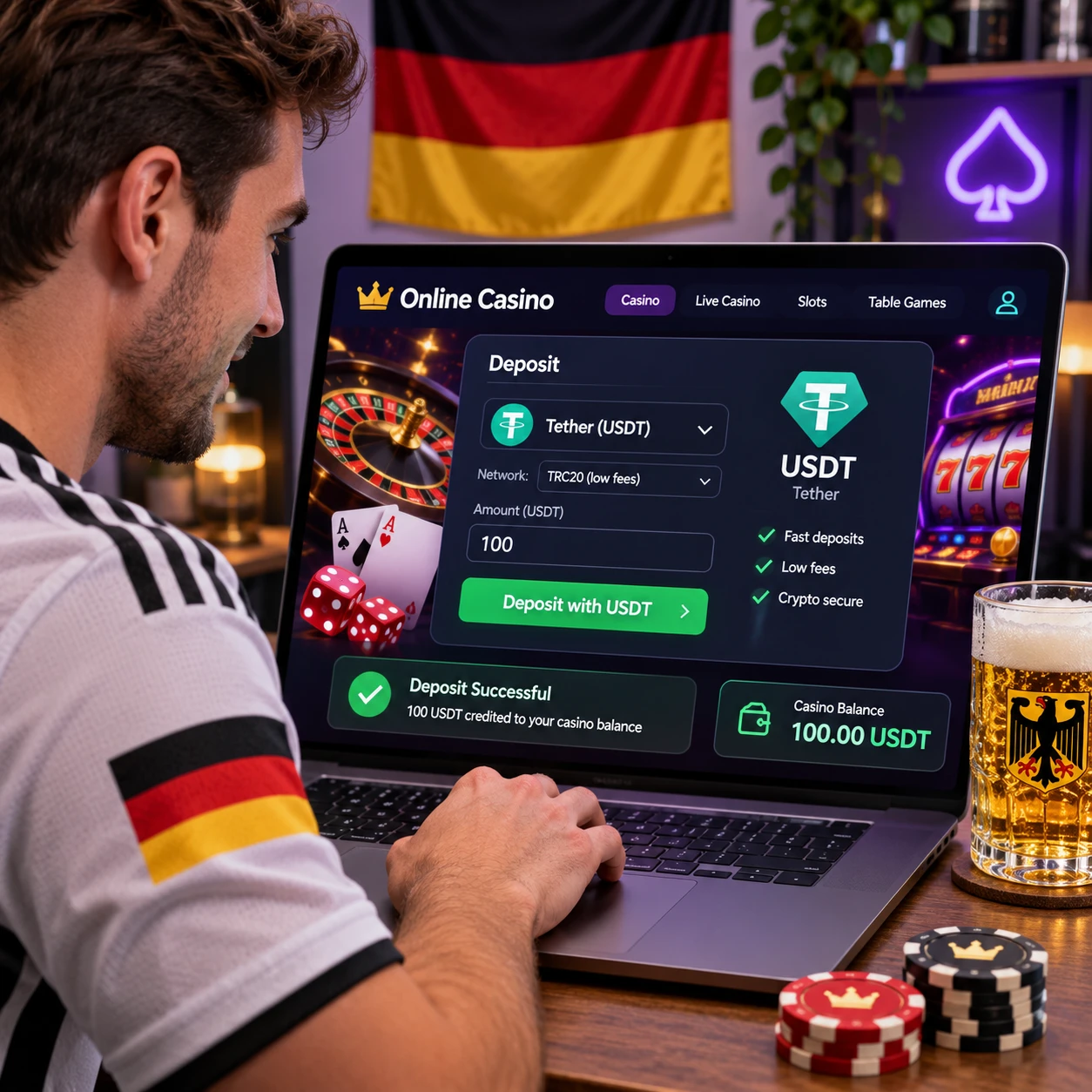
As someone who's been closely following the evolution of cryptocurrency gambling in Germany, I've witnessed a remarkable shift toward Tether (USDT) casinos over the past few years. In 2026, German players are increasingly discovering that USDT offers a unique blend of cryptocurrency benefits without the wild price swings that make Bitcoin and Ethereum challenging for consistent gambling budgets. This comprehensive guide will walk you through everything you need to know about using Tether at online casinos while residing in Germany.
What Are Tether Casinos and Why German Players Choose USDT
Tether casinos are online gambling platforms that accept USDT as a primary payment method for deposits and withdrawals. Unlike traditional online casinos that rely on bank transfers or credit cards, these platforms operate entirely or partially on blockchain technology, offering German players an alternative route to online gambling that bypasses conventional banking systems.
The appeal for German players is multifaceted. First, there's the privacy aspect—USDT transactions don't require you to share extensive banking details with casino operators. Second, the speed is remarkable; while traditional bank transfers can take 3-5 business days in Germany, USDT deposits typically confirm within minutes. Third, and perhaps most importantly for regular players, the fees are significantly lower than what German banks charge for international gambling transactions.
Understanding Tether (USDT) as a Cryptocurrency
Tether is what we call a stablecoin—a cryptocurrency designed to maintain a consistent value by being pegged to the US dollar at a 1:1 ratio. This means that one USDT should always equal approximately one US dollar, regardless of the volatility affecting Bitcoin or other cryptocurrencies. For German gamblers, this stability is crucial because you can deposit 100 USDT knowing it will still be worth roughly 100 USDT when you're ready to cash out, minus only your wins or losses from actual gameplay.
USDT operates on multiple blockchain networks, with Ethereum (ERC-20), Tron (TRC-20), and Binance Smart Chain being the most common options in 2026. From my experience with German casino platforms, Tron-based USDT has become particularly popular due to its negligible transaction fees—often just a fraction of a euro compared to several euros for Ethereum-based transfers.
How Tether Casinos Differ from Traditional Bitcoin Casinos
While Bitcoin casinos pioneered cryptocurrency gambling, Tether casinos solve a fundamental problem that frustrated many German players: price volatility. I've heard countless stories from players who deposited 0.01 BTC worth €400, only to find it worth €350 by the time they finished their gaming session—and that's before accounting for any gambling losses. With USDT, your balance remains stable.
Transaction speed also differs significantly. Bitcoin's network can become congested during high-traffic periods, leading to delayed deposits that might take 30 minutes to several hours. USDT on the Tron network typically confirms in under three minutes, making it ideal for players who want immediate access to their funds. Additionally, many Tether casinos in 2026 have streamlined their interfaces specifically for stablecoin users, offering transparent euro-equivalent displays so German players always know exactly how much they're betting in familiar currency terms.
Legal Status of Tether Casinos in Germany 2026
The legal landscape for Tether casinos in Germany remains complex in 2026. The German State Treaty on Gambling (Glücksspielstaatsvertrag or GlüStV), which underwent significant reforms in recent years, primarily addresses traditional online gambling. The treaty established a licensing system for online poker and sports betting, but casino games remain heavily restricted under German law—licensed operators can only offer slots with a €1 maximum bet and a 5-second spin delay.
Here's where it gets interesting for cryptocurrency casinos: most Tether casinos operate under licenses from jurisdictions like Curaçao, Malta, or Cyprus rather than German licenses. Technically, the GlüStV prohibits unlicensed gambling operations from serving German customers, but enforcement has been inconsistent. German authorities have focused primarily on preventing unlicensed operators from advertising within Germany rather than prosecuting individual players.
From a player perspective, the legal situation in 2026 sits in a grey zone. While participating in unlicensed online gambling isn't explicitly criminalized for players, you're also not protected by German consumer protection laws if disputes arise. Additionally, German players are legally obligated to report gambling winnings for tax purposes—the tax-free allowance is €1,000 annually, with winnings above that subject to income tax. The anonymous nature of cryptocurrency doesn't exempt you from these obligations, though enforcement remains challenging for authorities.
How to Choose a Safe and Reliable Tether Casino
Selecting a trustworthy Tether casino requires due diligence, especially when operating outside the German regulatory framework. I always start by checking the casino's licensing information—legitimate operators display their license number and issuing authority prominently, usually in the footer. Curaçao eGaming, the Malta Gaming Authority, and the UK Gambling Commission are among the more reputable licensing bodies, though each has different standards.
Reputation research is essential. I spend time reading player reviews on independent forums and checking complaint databases. When researching options, I've found that platforms like the tether casino review site provide comprehensive assessments of operators, evaluating their security measures, payment reliability, and track record with European players. These resources have helped me identify which casinos actually honor withdrawal requests promptly versus those with a history of delayed payments or questionable practices.
Game fairness is another critical factor. Reputable Tether casinos use provably fair technology, which allows you to verify that game outcomes weren't manipulated. This cryptographic verification system is particularly important when you're playing outside regulated environments. I also look for casinos that partner with established game providers like Evolution Gaming, Pragmatic Play, or NetEnt—these companies have reputations to protect and won't associate with outright scam operations.
Essential Security Features to Look For
When evaluating Tether casinos for German players in 2026, certain security features are non-negotiable. SSL encryption (look for the padlock icon in your browser) protects your data during transmission. Two-factor authentication (2FA) adds an extra security layer to your account—I enable this on every casino account I create.
For cryptocurrency-specific security, check how the casino stores player funds. Reputable operators keep the majority of USDT in cold wallets (offline storage) with only operational amounts in hot wallets vulnerable to hacking. Some casinos now publish regular proof-of-reserves audits, demonstrating they actually hold the customer funds they claim.
KYC (Know Your Customer) and AML (Anti-Money Laundering) procedures might seem inconvenient, but they're actually positive indicators in 2026. Casinos implementing verification processes are generally more legitimate and less likely to disappear with your funds. Yes, this reduces anonymity, but it significantly increases security—I've found the tradeoff worthwhile when dealing with substantial amounts.
Step-by-Step Guide to Playing at Tether Casinos from Germany
Getting started with USDT gambling from Germany is more straightforward than many players initially assume. First, you'll need to acquire USDT. German players typically use cryptocurrency exchanges like Kraken, Bitstamp, or Binance, all of which accept euro deposits via SEPA bank transfer. The verification process on these exchanges usually takes 24-48 hours, so plan ahead. Once verified, you can purchase USDT directly with euros—I recommend buying slightly more than you plan to deposit to cover transaction fees.
Next, you'll need a cryptocurrency wallet. While you could keep USDT on the exchange, I strongly advise transferring it to a personal wallet for security and flexibility. After purchasing USDT, transfer it to your wallet—be extremely careful to select the correct blockchain network (matching what your casino accepts) and double-check the wallet address before confirming.
Registration at a Tether casino is typically simple. You'll provide an email address, create a password, and potentially complete KYC verification depending on the casino's policies. Once registered, navigate to the deposit section, select USDT as your payment method, and choose your blockchain network. The casino will provide a deposit address—copy this exactly (I use the copy button rather than typing manually) and initiate the transfer from your wallet.
After the blockchain confirms your transaction (usually 5-15 minutes), your casino balance updates and you can begin playing. When you're ready to withdraw winnings, the process reverses: request a withdrawal to your personal wallet address, wait for the casino to process it (anywhere from instant to 24 hours), and then you can either hold the USDT or convert it back to euros on your exchange.
Best Wallets for German USDT Casino Players
For German players in 2026, I recommend starting with established wallet options that balance security and usability. Trust Wallet is my go-to recommendation for beginners—it's mobile-friendly, supports multiple USDT networks, and has an intuitive interface. For more experienced users, MetaMask offers excellent Ethereum-based USDT management with browser integration that some casinos support for direct wallet connections.
Hardware wallets like Ledger or Trezor provide maximum security for larger amounts. I use a hardware wallet for my main USDT holdings and keep only gambling funds in a hot wallet for convenience. For German players concerned about backup and recovery, these hardware options offer seed phrase backup systems that work even if the device fails.
Regardless of which wallet you choose, never share your private keys or seed phrases with anyone—not even casino support claiming they need it for verification. Legitimate operations never require this information.
Advantages and Disadvantages of Using Tether for Online Gambling
From my experience helping German players transition to USDT gambling, the advantages are compelling. Transaction speed stands out immediately—deposits that would take days through traditional banking happen in minutes. Fees are remarkably low, especially on the Tron network where I rarely pay more than €0.50 per transaction compared to €5-15 for bank transfers to international gambling sites.
Privacy is another significant benefit. While not completely anonymous (blockchain transactions are traceable), USDT deposits don't appear on your German bank statement as gambling transactions, which some players prefer for personal privacy reasons. The currency stability eliminates the cryptocurrency volatility concern—you won't lose value simply by holding funds while playing.
However, the disadvantages deserve honest consideration. Regulatory uncertainty means you're operating in a legal grey area with limited recourse if problems arise. German consumer protection laws that would help you dispute unfair treatment at licensed casinos don't apply to offshore Tether casinos. If a casino refuses to pay your winnings, your options for legal recourse are extremely limited.
Technical barriers present challenges for less tech-savvy players. Understanding wallets, blockchain networks, and transaction confirmations requires a learning curve. I've seen players accidentally send USDT on the wrong network, resulting in permanently lost funds. Additionally, the cryptocurrency aspect requires you to trust your own security practices—there's no bank to call if you fall victim to phishing or lose your wallet access.
The selection of licensed, regulated Tether casinos accepting German players remains limited compared to traditional payment options. You're primarily dealing with offshore operators, which inherently carries more risk than playing at casinos directly licensed by German or EU authorities.
Best Practices for Secure Tether Casino Gaming in 2026
Security begins with proper wallet management. I maintain separate wallets for different purposes—one for long-term USDT storage, another specifically for casino transactions. This compartmentalization limits potential damage if a casino is compromised. Enable every security feature your wallet offers: PIN codes, biometric authentication, and especially two-factor authentication.
Recognizing scam sites is crucial in the unregulated cryptocurrency gambling space. Red flags include unrealistic bonus offers (like 500% deposit bonuses), absent or fake licensing information, newly registered domains with no track record, and pressure tactics urging immediate deposits. I always verify a casino's reputation through multiple independent sources before depositing.
Responsible gambling practices become even more important without regulatory oversight. Set strict deposit limits for yourself and stick to them—the ease and speed of crypto deposits can make it dangerously simple to chase losses. I use a dedicated budget tracked in a spreadsheet, ensuring I never gamble with money needed for living expenses.
Transaction verification is a habit I've developed: always verify you're sending to the correct address on the right network, start with a small test transaction when using a new casino, and save transaction IDs for every deposit and withdrawal. These records prove invaluable if disputes arise and are essential for tax reporting.
Keep your devices secure with updated antivirus software, avoid accessing casino accounts on public WiFi, and use a password manager to maintain unique, strong passwords for each platform. I also bookmark my regular casinos rather than clicking links in emails, which protects against phishing attempts.
For tax purposes, maintain detailed records of all transactions, wins, and losses. While cryptocurrency's anonymous reputation persists, German tax authorities are increasingly sophisticated at tracking crypto transactions. Proactive compliance is far preferable to dealing with tax investigations later.
Future Outlook for Tether Casinos in Germany
The trajectory for Tether casinos in Germany through 2026 and beyond appears dynamic. The European Union's Markets in Crypto-Assets (MiCA) regulation, which came into full effect in 2024, is reshaping the cryptocurrency landscape. While MiCA primarily addresses crypto-asset service providers rather than gambling specifically, it's establishing clearer frameworks that may eventually extend to crypto gambling platforms serving EU customers.
I anticipate increasing pressure on cryptocurrency casinos to implement stricter compliance measures, including enhanced KYC procedures and potentially segregated funds requirements similar to traditional online casinos. This regulatory tightening might reduce the anonymity that initially attracted some players, but it should significantly improve player protection and operational legitimacy.
Technological improvements continue advancing rapidly. Layer-2 scaling solutions and newer blockchain networks are making USDT transactions even faster and cheaper. Some casinos are experimenting with instant withdrawal systems that process USDT payments within seconds rather than hours. Smart contract integration is enabling more transparent and automated casino operations where game outcomes and payments execute without human intervention, reducing manipulation possibilities.
Mainstream adoption is growing steadily. As more Germans become comfortable with cryptocurrency through everyday applications, the technical barriers to USDT gambling diminish. Major payment processors are beginning to bridge traditional and crypto finance, which could eventually allow USDT casinos to operate more openly within German regulatory frameworks.
My prediction for German players is that we'll see gradual regulatory clarification rather than continued ambiguity. Whether Germany develops a specific licensing path for cryptocurrency casinos or integrates them into existing gambling regulations remains uncertain, but the current grey area is unlikely to persist indefinitely. Players should stay informed about legal developments and be prepared to adapt their approach as the regulatory landscape evolves.
For those considering USDT gambling in Germany in 2026, my advice is to proceed with informed caution. The benefits of speed, privacy, and low fees are genuine, but so are the risks of operating in partially regulated space. Choose reputable operators carefully, never gamble with funds you can't afford to lose, maintain strict security practices, and stay compliant with tax obligations. The world of Tether casinos offers exciting possibilities for German players, but success requires both enthusiasm and prudent risk management.